The Battle Against Spam: 5 Easy Ways To Clean Up Your Inbox
Everyone’s familiar with spam email these days – some estimates say it accounts for over 90 percent of global email traffic.
Beyond just being annoying unwanted communication, some spam emails can pose a security risk, with phishing links, malware attachments, and more.
With promotional junk and unsolicited emails cluttering your inbox it can be tricky to see at a glance what emails actually matter.
So what’s the best way to deal with spam? Here are five ways to manage your inbox and deal with the issue.
5 Key Methods For Managing Spam
1. Leverage your email provider’s spam filter
Every email provider these days has a way to deal with spam automatically. Modern techniques use machine learning to analyse sender IP addresses and domains.
You can assist this machine learning by marking unwanted messages as spam, helping to clear your inbox in the future.
Rarely, legitimate emails can be caught in automatic spam filters. You can double check your spam folder every so often to see if legitimate communications have been misidentified – but in my experience it has been exceedingly rare.
2. Never engage with spam messages
Links in emails are often risky – especially if you don’t know the sender. It’s best practice to never click a link in an email unless you implicitly trust the source.
Attachments are also commonly a vector for malware. It’s best not to download any attachments unless you know and trust the sender.
“Unsubscribe” links in spam emails can often backfire – instead confirming to the sender that your email address is active, resulting in more spam.

| The best way to dispose of batteries and devices – advice from every state Safe battery handling and disposal is becoming a huge issue for many of us as Australia’s appetite for portable devices soars.Lithium-ion batteries can be found in all kinds of devices today from toothbrushes to phones to e-bikes.We’ve all got a few old devices laying around with aging batteries that can become swollen with time.That’s why it’s so important to talk about how to safely handle and dispose of old devices with lithium-ion battery packs. Swollen batteries – what you need to knowWhy do batteries become swollen over time? Battery packs can swell up due to buildup of gas inside the battery pack. Usually this is due to chemical breakdown or physical damage, but it can simply happen over time to some batteries.Other reasons are overcharging from faulty circuitry or overheating from high temperatures. Physical damage like puncture or crushing can sometimes cause swelling as well.When the battery becomes swollen, the device they’re in can become physically damaged, the battery can become harder or impossible to remove, and they become more prone to damage. 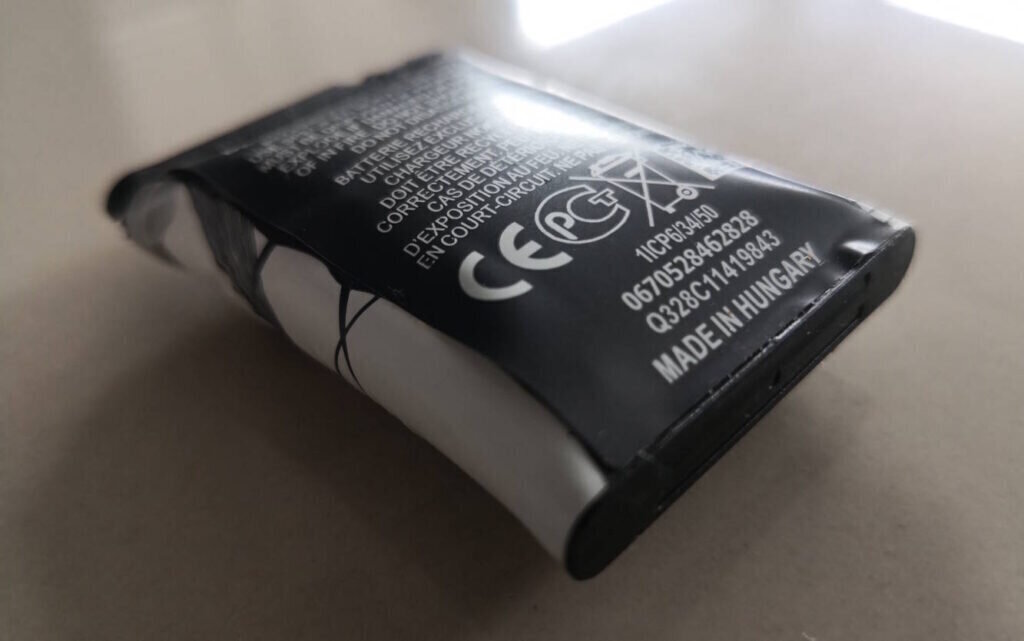 Want more tech news, reviews, and consumer guides?Don’t miss a thing – sign up to the CyberShack newsletter and get the latest from our website delivered straight to your inbox. From the newest gadgets and smart home tips to exclusive previews and deals, we’ve got your tech fix covered.👉 Subscribe now – it’s free, and you’ll always be one step ahead in the world of tech. |
Guests and Topics on the Show
The Big Screen Shift: How TCL Shaped TVs in 2026
| TVs had become bigger, brighter and more intelligent, with Australians expecting more from their home entertainment setups than ever before. As streaming grew and living rooms evolved, display technology moved quickly to keep pace.We spoke with Jason Carrick, Sales General Manager at TCL Australia, about where televisions were heading in 2026. He explained how larger screens became more accessible, how new panel technologies improved brightness and colour accuracy, and how smart features were refined to suit the way Australians watched content at home. Video: Interview with TCL’s Jason Carrick on TV Innovation at CES 2026 |

Fibre Fast: NBN Hit 3 Million Customers as Copper Retirement Accelerated
Australia’s broadband network entered a new phase as the shift from copper to fibre gathered serious momentum. Households were demanding faster, more reliable connections to power streaming, gaming, remote work and connected homes.
We spoke with Dion Ljubanovic, Chief Network Officer at NBN, about the acceleration of Australia’s copper sunset. NBN passed three million fibre customers, and speed demand continued to climb. He outlined what this milestone meant for consumers and how the network was preparing for the country’s growing appetite for data.